In short
- Property insurance covers the building (walls, roof, windows, pipes and wiring), household insurance the movable things inside (furniture, appliances, electronics).
- For a mortgage the bank requires property insurance assigned in its favour (vinkulácia); household insurance is optional.
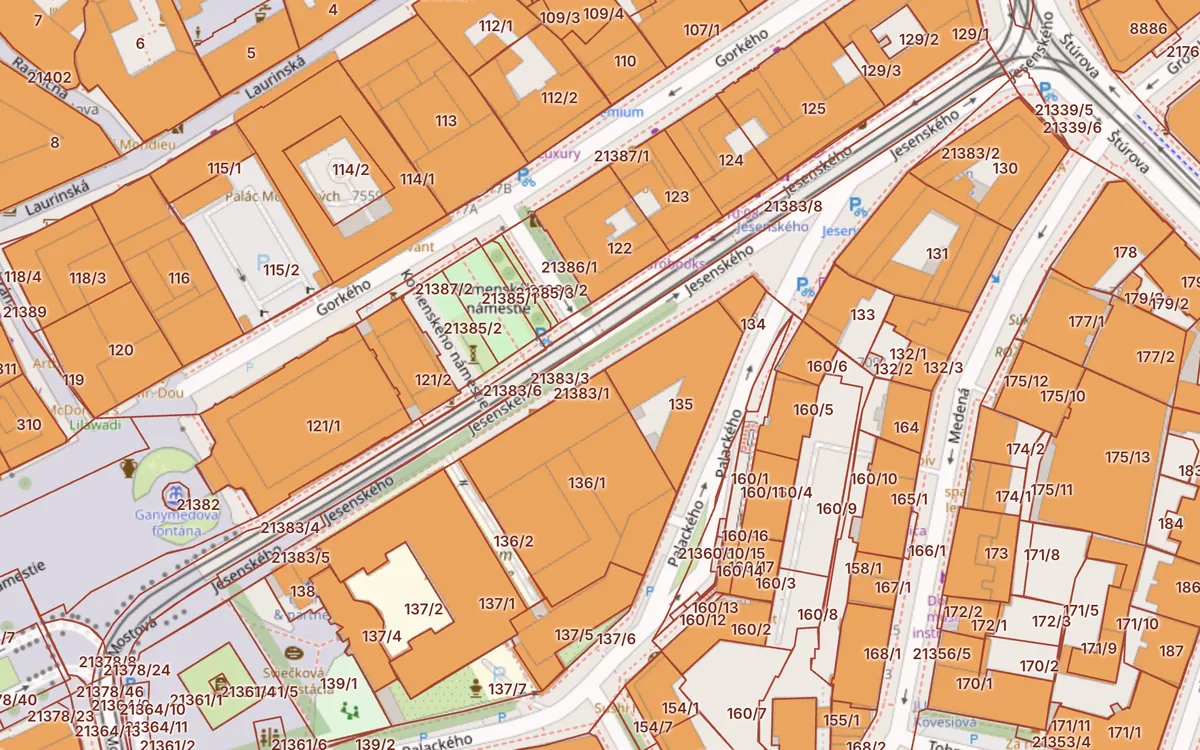
- In flood or landslide areas an insurer may exclude the risk or charge more – check the address first on the Kataster24 map.
Updated 26. 10. 2026 · Sources: ÚGKK SR, ZBGIS, public state registers
Property insurance vs household insurance
| Property (nehnuteľnosť) | Household (domácnosť) | |
|---|---|---|
| What it protects | the building: walls, roof, windows, doors, floors, water and power lines, heating | movable things: furniture, appliances, electronics, clothes, valuables |
| Simple rule | what would stay if you turned the house upside down | what would fall out if you turned the house upside down |
| With a mortgage | required, assigned to the bank | optional |
| Sum insured | cost to rebuild the building (without land) | new value of everything in the household |
Most people take both together as a property and household package – simpler, and insurers often give a discount.
What insurance covers
- Natural hazards – fire, lightning, explosion, storm, hail, snow load, flood, landslide, avalanche, falling trees.
- Water from pipes – burst pipes, flooding from a neighbour.
- Theft and vandalism – burglary for the household, damage to facade or windows for the property.
- Electricity – surges and short circuits that destroy appliances or wiring.
- Liability – optional add-on if you damage others' property (e.g. flood the flat below).
Cover varies by insurer and package. Before signing, check the exclusions and payout limits for each risk.
Floods, landslides and subsidence: when insurers don't pay
Insurers assess where the property stands – using flood hazard maps, flood history or distance from a river. In a risk area an insurer may:
- exclude flood cover,
- charge more or lower the payout limit,
- in extreme cases refuse cover – though another insurer may accept it.
Similarly for landslides: if a slope is already moving before the contract, damage is often not covered. Slow ground subsidence is frequently excluded altogether – ask explicitly.
- Enter the address or parcel number in the search at the top of this page.
- The report shows whether the plot is in a flood zone (and for which flood, e.g. Q100), in a landslide area, and whether the ground is sinking according to satellites.
- Compare offers with this in mind – and at a risky address make sure the policy really covers that risk.
Insuring a flat
In an apartment building the common parts (roof, facade, stairs, lift) are usually insured by the building manager or owners' association. A flat owner insures the flat itself – walls, floors, windows and internal pipes – and the household. Water is the most common claim in flats, so liability cover is worth having.
Insuring a house
For a house you insure the whole building, often with outbuildings – garage, fence, pool, well. List them in the contract or they may not be covered. Houses are more exposed to natural hazards, so check the location on the map: flood hazard, landslides and radon.
How much it costs
According to the comparison site Netfinancie.com, property insurance for a 3-room flat starts from €57 and household insurance from €37; for a combined policy it states savings of up to 13 %. Your price depends on the type and size of the property, the sum insured, location, scope of cover and the deductible.
Sum insured and underinsurance
The sum insured should match the cost to rebuild the property – not its market price or the land. If it is lower, you are underinsured and the insurer cuts the payout proportionally: a property insured at 70 % of its value gets only 70 % of the claim.
Property insurance and mortgages
Without valid property insurance a Slovak bank will not approve a mortgage. Cover must last the whole repayment period and the payout is assigned to the bank. Banks usually require natural hazards including floods and landslides. Household insurance is not required.
How to choose: 5 steps
- Check the risks of the address – flood, landslide, subsidence, radon (on the Kataster24 map).
- Set the sum insured by rebuild cost and value of contents.
- Compare offers with the same cover and deductible.
- Read the exclusions for natural hazards in risk areas.
- Review once a year – especially after renovation.
Frequently asked questions
What is the difference between property and household insurance?
Property insurance covers the building – walls, roof, windows and utilities. Household insurance covers movable things inside – furniture, appliances, electronics.
Is property insurance mandatory in Slovakia?
Not by law, but for a mortgage the bank requires it for the whole repayment period, with the payout assigned to the bank.
Does insurance cover floods?
Usually yes, as part of natural hazards. In a flood zone the insurer may exclude floods, charge more or lower the limit – check the terms.
How much does household insurance cost?
According to Netfinancie.com prices start from €37. The final price depends on the sum insured, location, scope of cover and deductible.
What is underinsurance?
When the sum insured is lower than the real value. The insurer then cuts the payout proportionally – at 70 % of value it pays 70 % of the damage.
How do I find out if my house is in a flood zone?
Enter the address or parcel on the Kataster24 cadastral map. The report shows flood hazard, landslides and ground subsidence.
Related guides
Check a plot in 30 seconds
Enter a parcel or an address to see cadastral data, buildings, flats and risks.
Open the cadastral map → Slovak land registry online →